Why Is Connectivity the Biggest Unsolved Problem in Energy Robotics?
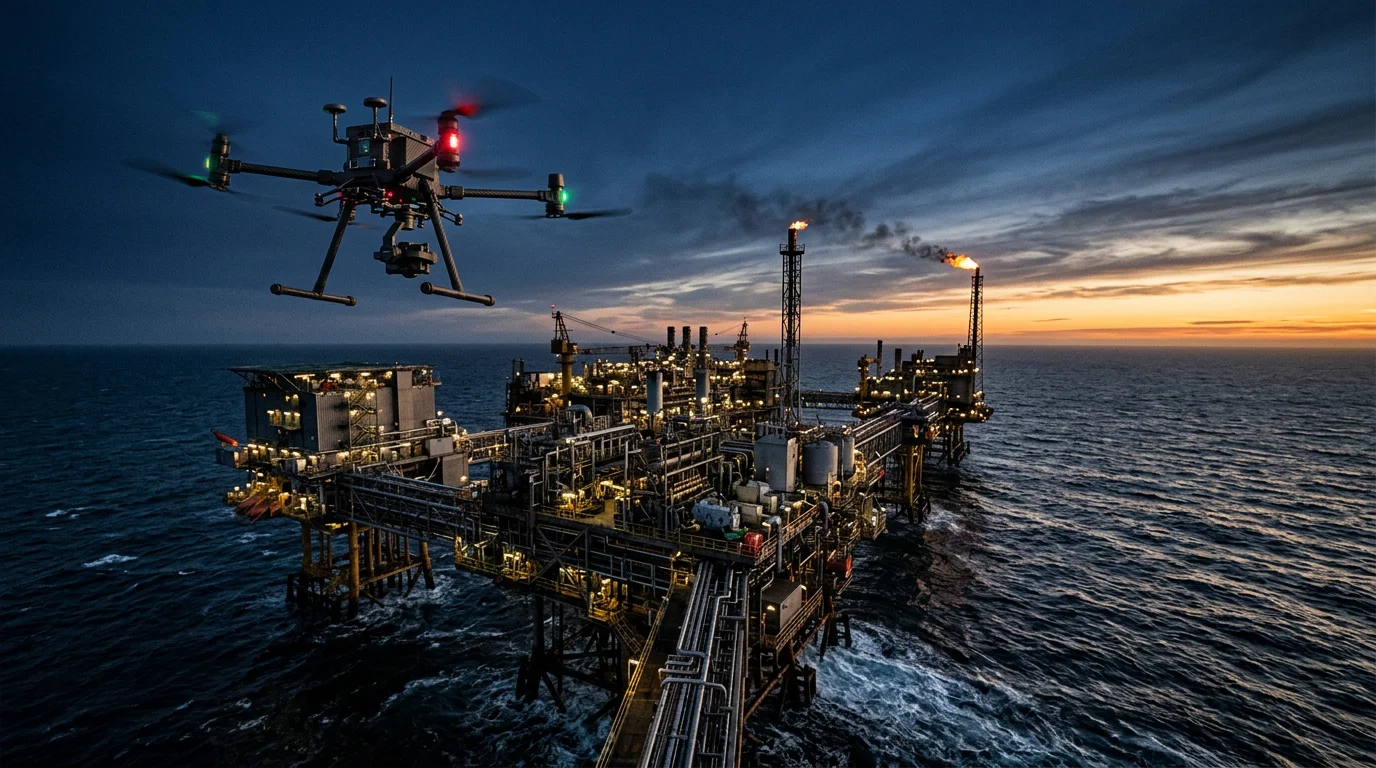
The energy sector is deploying autonomous systems faster than most people realize. Drones inspecting offshore platforms. Robots performing maintenance in hazardous environments. Autonomous vehicles monitoring pipelines across hundreds of miles.
Physical AI is no longer a concept. It is on the job, in the field, doing real work in some of the most demanding environments on earth.
And almost all of it depends on one thing that is still being figured out. Connectivity.
Why Does Connectivity Fail Energy Drones and Robots?
Offshore platforms, remote pipelines, and industrial facilities are exactly where single-carrier connectivity struggles most. Coverage gaps are common. Outages happen. And when a drone loses its data link mid-inspection or a robot drops its connection in a hazardous environment, the mission stops.
For companies deploying autonomous systems in the energy sector, a single point of failure is not acceptable.
How Does Network Orchestration Fix It?
TEAL’s Network Orchestration Service (NOS) and GSMA-certified eSIM technology gives autonomous systems the freedom to connect to the best available network anywhere in the world, across 195 countries, and switch between carriers over the air when performance demands it.
No SIM swaps. No carrier lock-in. No single point of failure. Just always-on connectivity for the systems that cannot afford to go dark.
Meet TEAL at the Energy Drone & Robotics Summit 2026
We will be in Houston, June 22-24 at the Woodlands Waterway Marriott. Come talk to us about connectivity for your autonomous systems.