
Why Reliable Connectivity Is Critical for Modern Point of Sale Systems
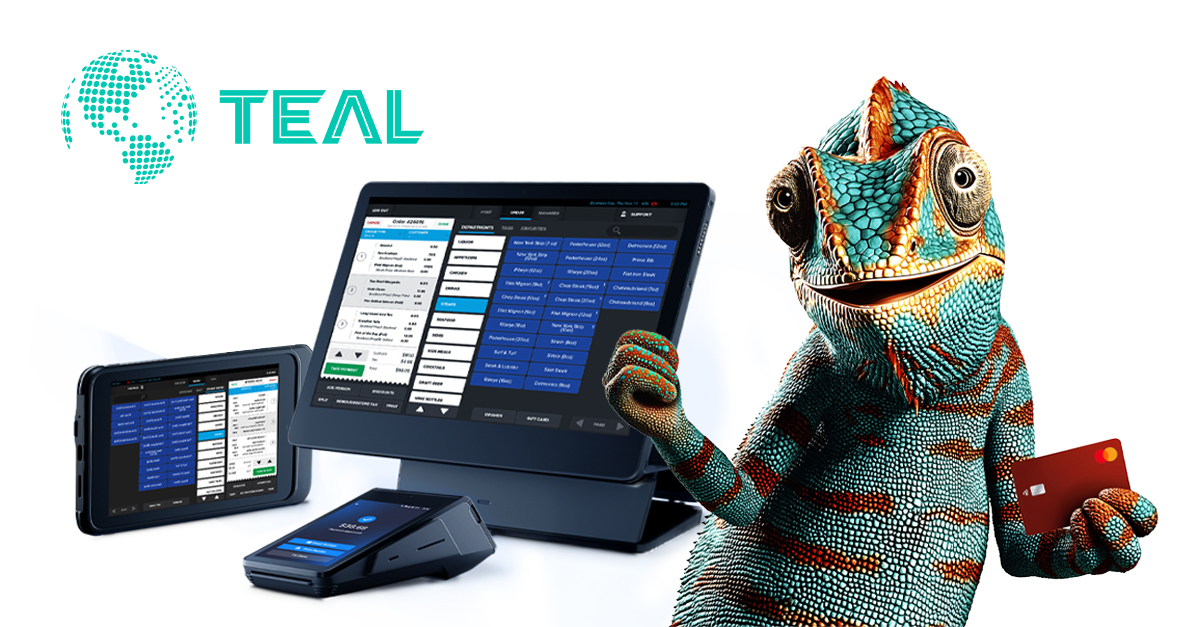
Connectivity is no longer a background function for Point-of-Sale (POS) systems. It is the foundation that enables payments, inventory management, analytics, loyalty programs, and order fulfillment. From retail stores and restaurants to food trucks and pop up shops, POS solutions depend on constant access to the cloud to operate properly.
Leading providers such as Shift4, Square, Toast, Clover, Shopify POS, Verifone, Ingenico (Worldline), Lightspeed, Revel Systems, NCR Aloha, PayPal Zettle, Lightspeed, and FreedomPay power millions of transactions every day. These platforms increasingly rely on cellular connectivity to ensure flexibility, uptime, and reach beyond traditional wired networks.
As POS systems become more cloud based and mobile, the quality of their connectivity directly impacts business performance.
The Risks of Poor and Unreliable Connectivity
When POS connectivity fails, the consequences are immediate and measurable.
Lost Revenue
If a POS terminal cannot connect to authorize a payment, the sale often does not happen. Failed or delayed transactions cause abandoned purchases, especially during peak hours. Even brief outages can lead to significant revenue loss.
Frustrated Customers
Slow checkout experiences and failed card payments damage trust. Customers expect fast, reliable service. Repeated connectivity problems can push them toward competitors who offer smoother transactions.
Security and Fraud Exposure
POS systems rely on real time authorization, encryption, and tokenization to protect transactions. When connectivity is unstable, merchants may be forced to use offline modes or delayed processing, increasing the risk of fraud and chargebacks.
Operational Disruption
Connectivity supports far more than payments. It enables inventory tracking, order routing, digital receipts, menu updates, and loyalty programs. When connectivity breaks, these workflows break with it, creating order errors, inaccurate inventory, and manual reentry of data.
Data Accuracy Problems
Unreliable connections can lead to transactions being stored locally and synced later. This can cause missing data, duplicates, or reporting gaps. End of day reconciliation becomes harder, and business decisions are made using incomplete information.
Limited Mobility and Expansion
Many POS deployments operate in locations without stable wired internet, such as outdoor venues, temporary shops, and mobile food services. Coverage gaps or weak cellular service limit where businesses can operate and restrict revenue opportunities.
Higher Support Costs
Connectivity problems generate service tickets, device resets, and on site troubleshooting. Merchants lose time, and POS providers face higher operational costs supporting devices that should simply stay online.
Compliance and Audit Risks
Payment systems require consistent logging and reporting. Connectivity interruptions can affect recordkeeping and compliance with payment standards, increasing audit risk and regulatory exposure.
Why Traditional Connectivity Is Broken
Despite how essential connectivity has become, traditional connectivity models have not kept up with modern POS requirements.
Traditional solutions rely on rigid carrier contracts that are difficult to change and expensive to exit. Devices are often locked to a single carrier, even when that carrier has poor coverage or suffers an outage. This creates a single point of failure for revenue critical systems.
Coverage gaps remain common, even in urban environments. A POS terminal may work reliably in one location and fail a few blocks away. When businesses expand to new regions, they often face complex negotiations with local carriers and inconsistent service quality.
Physical SIM logistics add another layer of friction. Managing SIM inventory, shipping devices across borders, and provisioning service manually creates delays and operational overhead. These processes were built for a slower, simpler world of connectivity.
In short, rigid contracts, carrier lock in, coverage gaps, and costly SIM logistics are holding modern POS deployments back. It is time for a new model.
Why Reliable and Redundant Connectivity Is Essential
For POS systems, connectivity must be designed for business continuity.
Always on connectivity ensures that transactions can be processed at any time, even during network disruptions. Redundancy allows devices to switch between networks when one fails, avoiding downtime caused by carrier outages.
Flexible connectivity supports deployment in permanent stores, temporary locations, and mobile environments without changing hardware or providers. Global reach allows POS providers to scale across regions without rebuilding their connectivity strategy for each country.
Future ready connectivity ensures devices can adapt as networks evolve, without costly hardware swaps or long renegotiations.
Reliable and redundant connectivity protects revenue, preserves customer experience, and enables operational stability.
Why TEAL Is the Solution
TEAL’s Network Orchestration Service is built to solve the problems traditional connectivity cannot.
TEAL eliminates carrier lock in by allowing businesses to switch networks remotely without replacing SIM cards. Multi carrier redundancy ensures POS devices stay online even when a network fails. This removes the single point of failure that causes costly outages.
With global connectivity across more than 190 countries, TEAL enables POS providers to deploy devices anywhere without managing separate carrier relationships in every region. A centralized dashboard provides real time visibility and control across entire device fleets.
TEAL also removes the burden of physical SIM logistics through eSIM and advanced SIM management, simplifying provisioning and reducing deployment delays. Businesses gain the freedom to choose the best network for each location while maintaining consistent performance.
Traditional connectivity is broken. Rigid contracts, carrier lock in, coverage gaps, and costly SIM logistics are no longer acceptable for revenue critical systems.
With TEAL, global connectivity is finally fixed.
For POS providers and merchants alike, reliable connectivity is no longer optional. It is the backbone of every transaction. TEAL ensures that backbone stays strong, resilient, and ready for the future.
Find out why leading POS companies trust TEAL. Schedule a meeting and find out how we can help to ensure that your solutions are always connected.