Why Physical AI Systems Fail Without Reliable Connectivity and What CES 2026 Revealed About the Path Forward
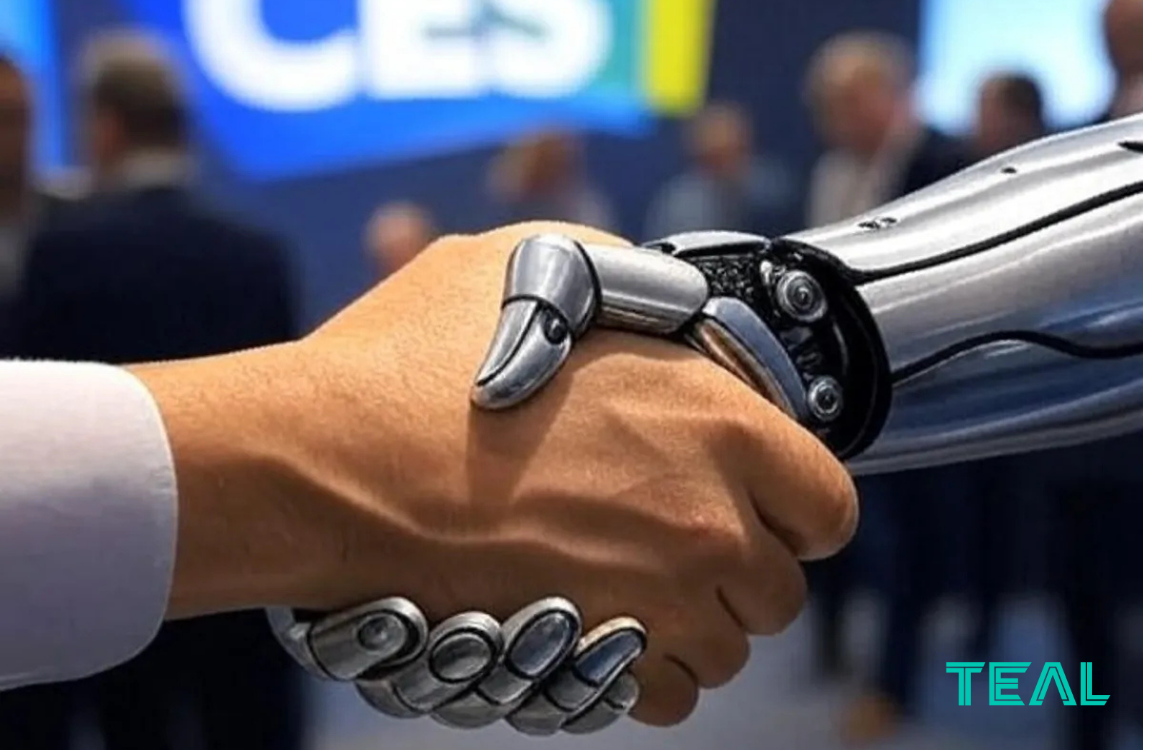
At CES 2026 in Las Vegas, something fundamental shifted in how the world sees artificial intelligence. AI is no longer just data and models in the cloud. It is physical. It is embedded in machines that move, sense, act, and make decisions in the real world. What this year’s show made clear is that physical AI will not scale or operate reliably unless its connectivity foundation meets real-world demands.
Consistent connectivity is not a feature layered onto physical AI. It is the foundation that makes safe operation, global scale, and real-world operations possible. Physical AI is not a single model running on a device. It is a distributed system that spans sensors, onboard and edge intelligence, cloud orchestration, continuous learning, and real-time communication. When connectivity breaks down, these systems lose context, visibility, and coordination, turning advanced autonomy into fragile automation.
The Explosive Market Opportunity
The numbers surrounding Physical AI growth are staggering, driven by technological advances and increasing demand for automation across industries.

Morgan Stanley estimates that humanoid robots alone could become a $5 trillion market by 2050, with potentially 1 billion humanoids deployed globally. Even more ambitious projections from Citi GPS predict 1.3 billion AI robots in use by 2035, scaling to 4 billion by 2050.
This growth extends beyond hardware sales. The Robots-as-a-Service (RaaS) model has already reached $2 billion annually with 17% growth rates, making advanced robotics accessible to companies seeking automation benefits without massive capital expenditure.
Industry leaders recognize this potential. Nvidia recently called robotics and Physical AI a multitrillion-dollar opportunity, launching specialized hardware and software platforms specifically for autonomous machines. Venture capitalists like Vinod Khosla predict a “ChatGPT moment for robotics” within the next few years, where humanoids become affordable enough for widespread adoption.
The catalyst for this growth? Reliable connectivity solutions that enable Physical AI systems to operate effectively beyond controlled environments.
Robots in the Real World
Boston Dynamics Atlas and Spot at the Hyundai Booth
One of the standout presences at CES was at the Hyundai Motor Group exhibit, where Boston Dynamics’ Atlas and Spot were featured as part of a broader AI robotics ecosystem. Atlas, a bipedal humanoid built for practical tasks, drew attention for its ability to walk, balance, and interact with objects in ways that feel truly autonomous rather than scripted. Spot, the agile quadruped, showcased facility inspection and mobile sensing use cases powered by real-time data and remote coordination.
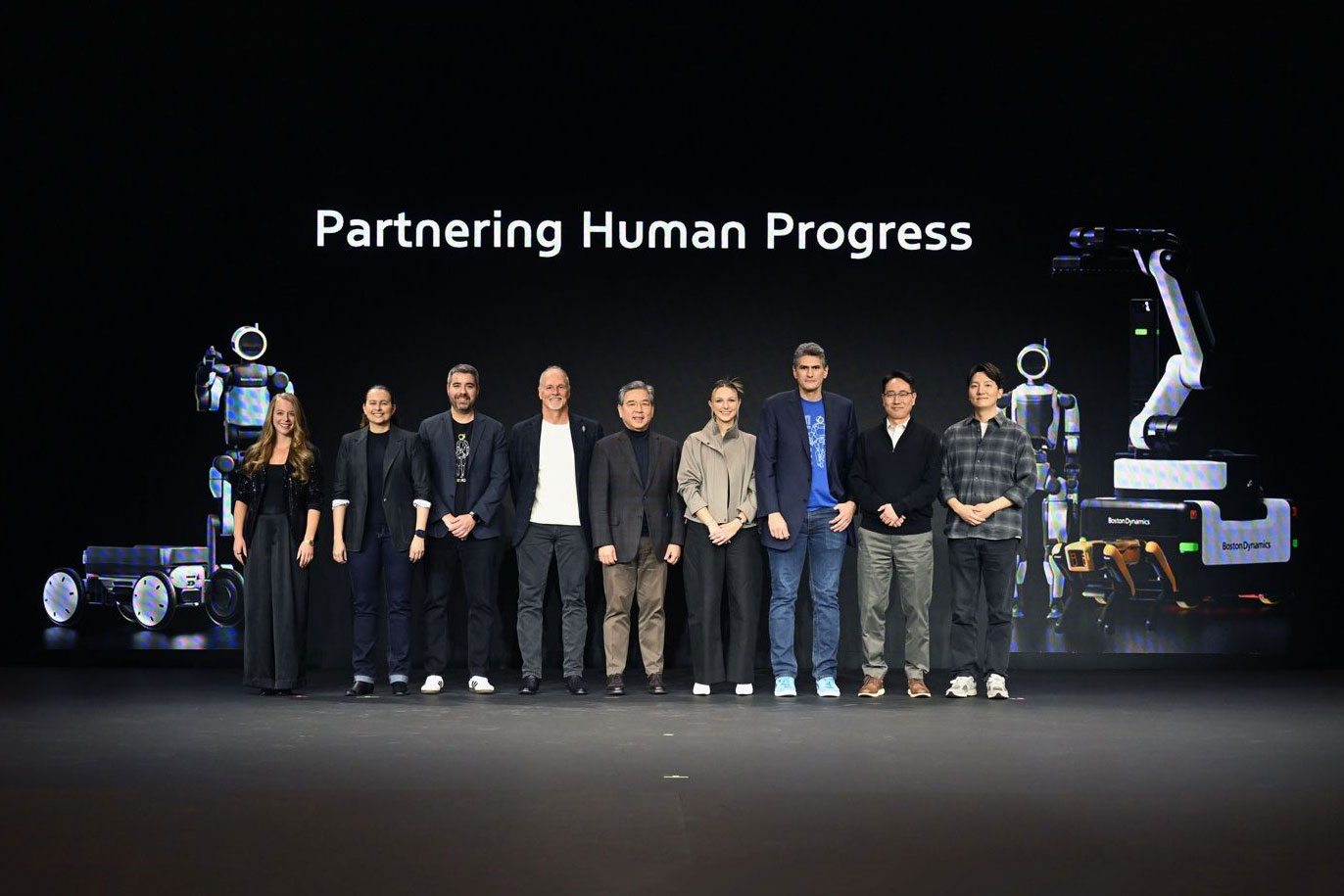
These robots only function reliably when their sensors, local compute, and remote services stay in sync. Connectivity enables them to stream sensor data, receive updates, and integrate high-level planning even as they navigate unpredictable environments.
Humanoids for Home, Work, Fun and Industry
CES 2026 featured a broad array of humanoid and service robots designed for environments outside controlled labs. Robots were shown assisting with warehouse logistics, carrying payloads, interacting with humans, and performing repetitive tasks. Their usefulness depends on connectivity that binds perception, decision making, task orchestration, and safety systems together. Autonomy in physical space is not safe or scalable without reliable network links.
Delivery Robots and Urban Autonomy
Serve Robotics and Sidewalk Delivery Platforms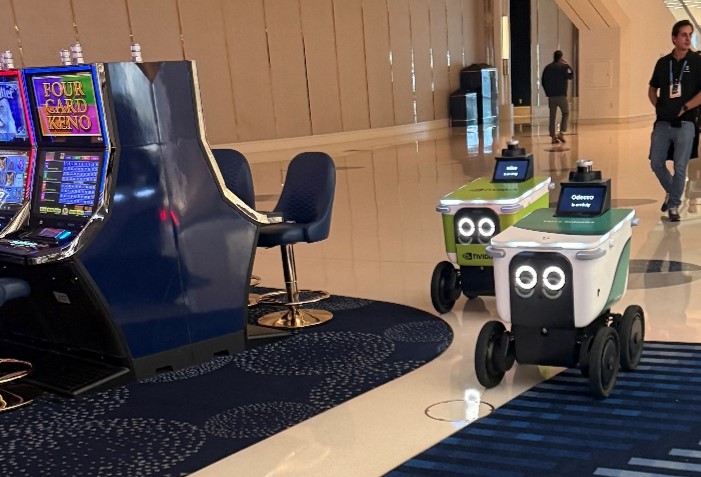 Autonomous delivery systems like those from Serve Robotics were prominent at the show. These sidewalk robots operate in dynamic urban environments with pedestrians, variable terrain, and shifting obstacles. They require constant connectivity to route updates, map corrections, object detection consensus, and fleet oversight. Any network gap not only degrades performance but also increases operational risk on city streets.
Self-Driving Autonomy Beyond the Pavement
CES 2026 also hosted significant developments in self-driving systems. Industry players including NVIDIA showcased new autonomous driving stacks designed to handle complex real-world situations, highlighting the trend toward Level 4 autonomy and beyond. These platforms must stay continuously connected to handle edge-case scenarios, long-tail driving behaviors, and remote operator intervention when required.
Einride on the Show Floor
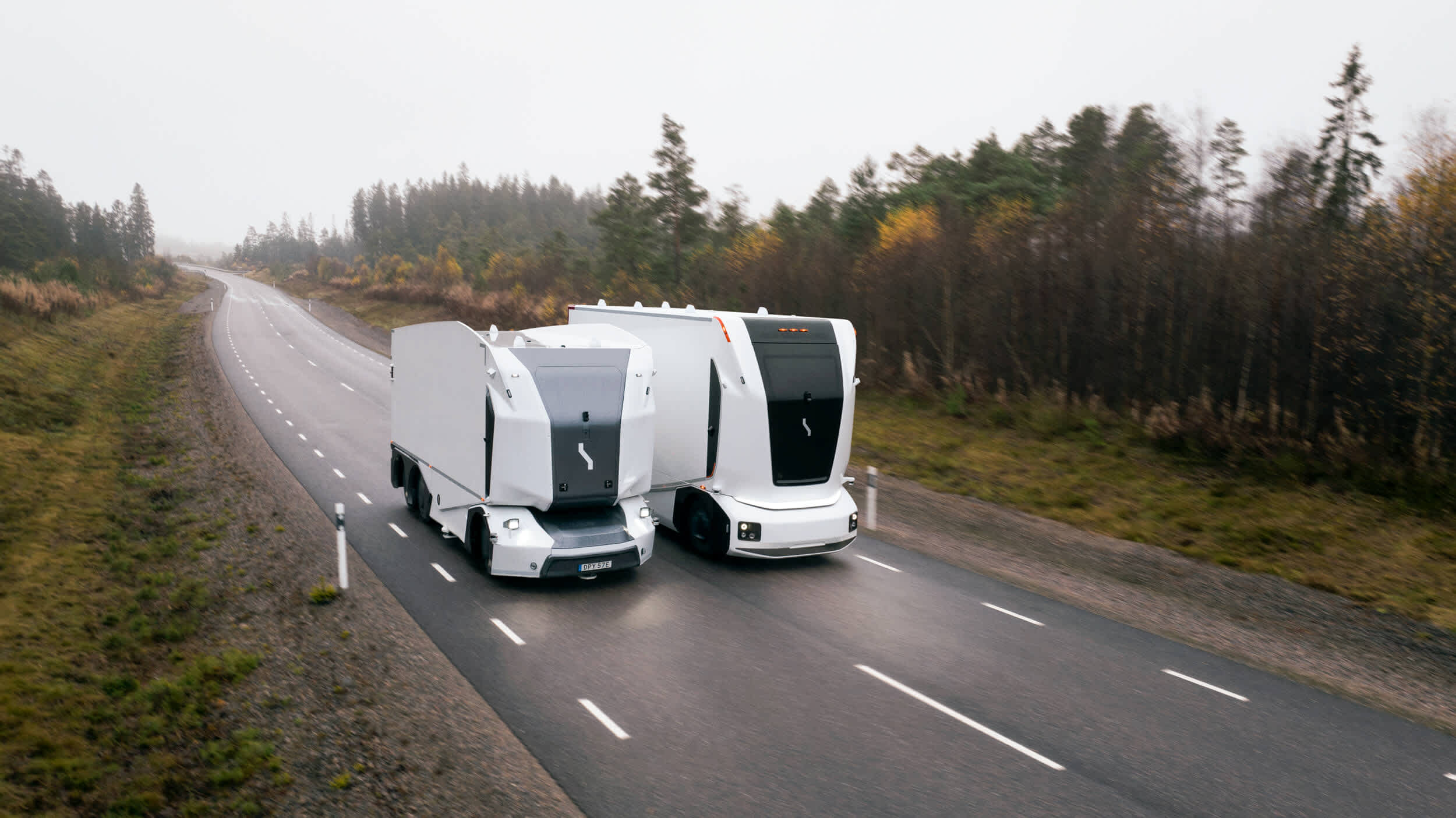
TEAL’s on-the-ground CES podcast featured an interview with representatives from Einride, a company pushing autonomous freight transport on public roads. They emphasized that while vehicle autonomy relies heavily on onboard AI, network connectivity is what enables fleet coordination, remote supervision, model updates, and safety oversight in commercial environments. Without reliable connectivity, autonomous trucks would be forced to operate in isolation, increasing risk and reducing efficiency.

Watch the podcast from the CES show floor here:
https://lnkd.in/g6desYvQ
Broader Autonomous Machines at CES
CES 2026 also showcased a wide range of autonomous physical systems that illustrate how pervasive physical AI is becoming:
Agricultural and Industrial Autonomy
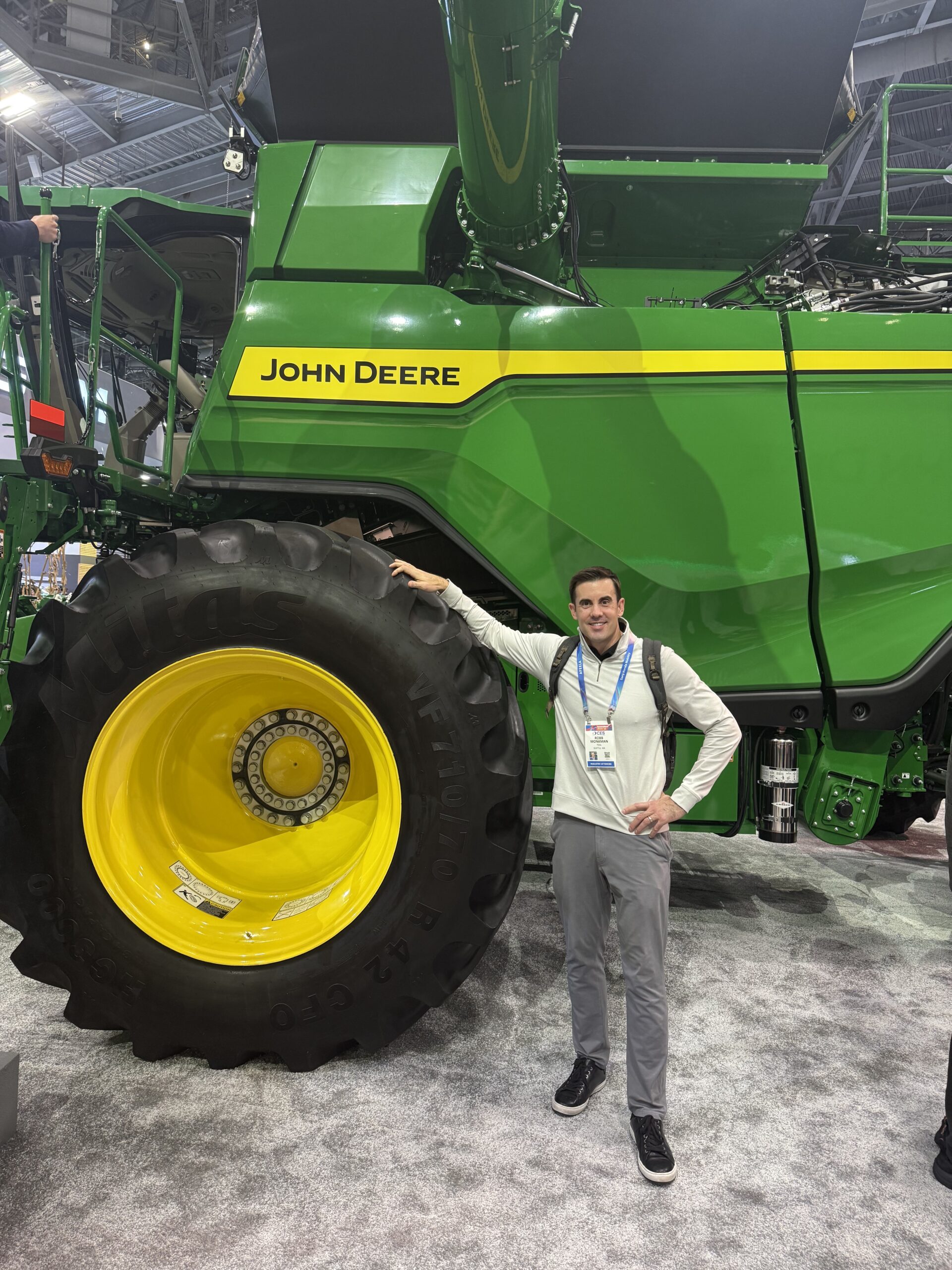
John Deere exhibited autonomous farming equipment, including self-steering combines and machinery capable of guided movement and situational awareness. These systems leverage GPS, sensor feedback, and remote monitoring to automate field operations safely at scale.
Kubota highlighted autonomous tractors equipped with AI and sensing systems that automate tasks like weed control and spraying, illustrating how autonomy is moving into traditional heavy equipment.
Doosan Robotics’ Scan & Go Autonomous Solution won CES Innovation Awards for its autonomous mobile robotic system that combines 3D vision with physics-informed AI to inspect and work on large industrial structures without preprogrammed CAD paths. In their booth they highlighted their autonomous Bobcat that is part of their jobsite solutions.
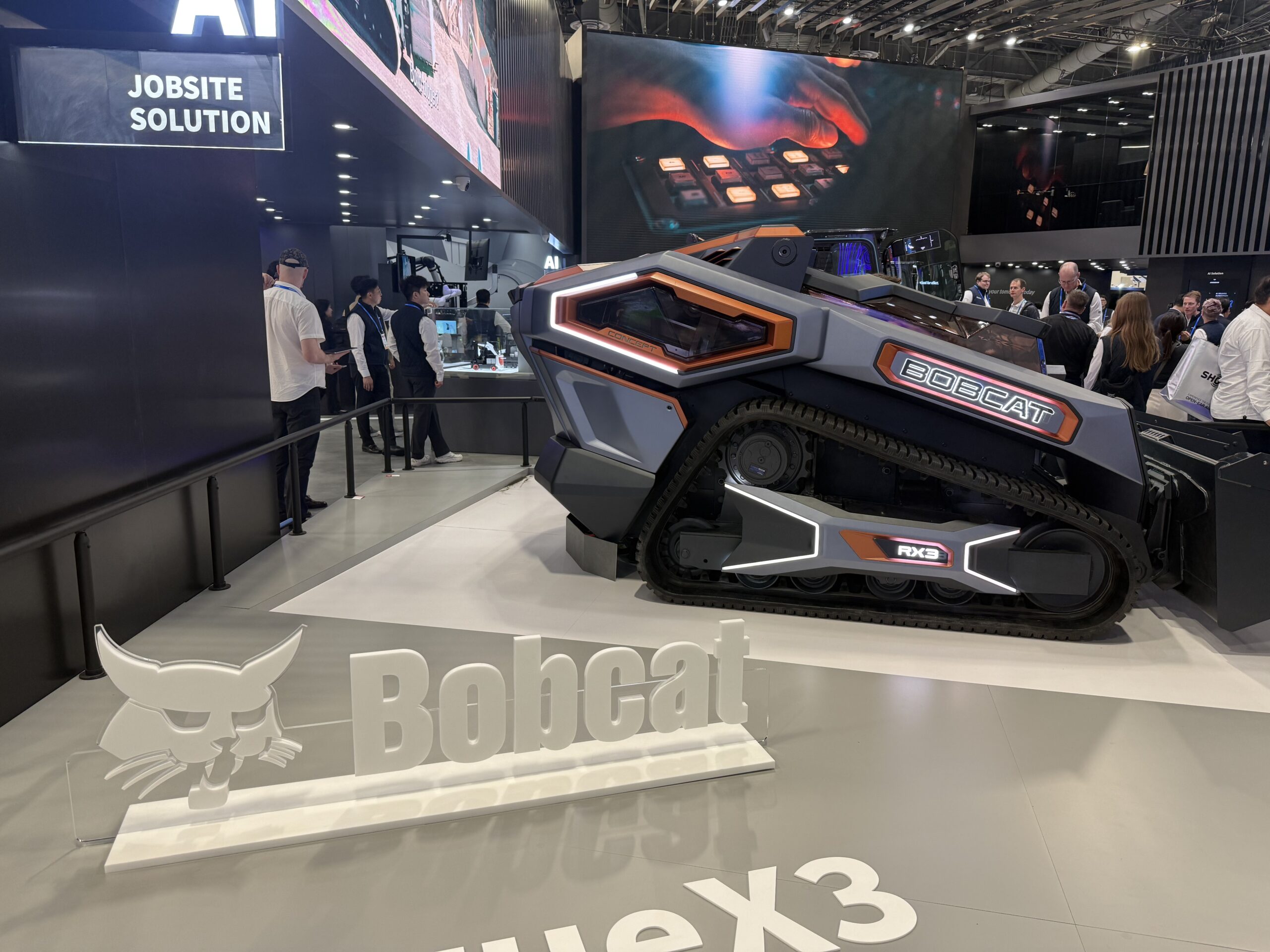
At CES 2026 the next generation of autonomous lawn care robots received major attention as physical AI came to the outdoor maintenance category. Brands demonstrated advanced robotic mowers that combine AI perception, navigation technology, and smart mapping to deliver hands-off lawn maintenance with minimal setup.
Construction and Worksite Autonomy
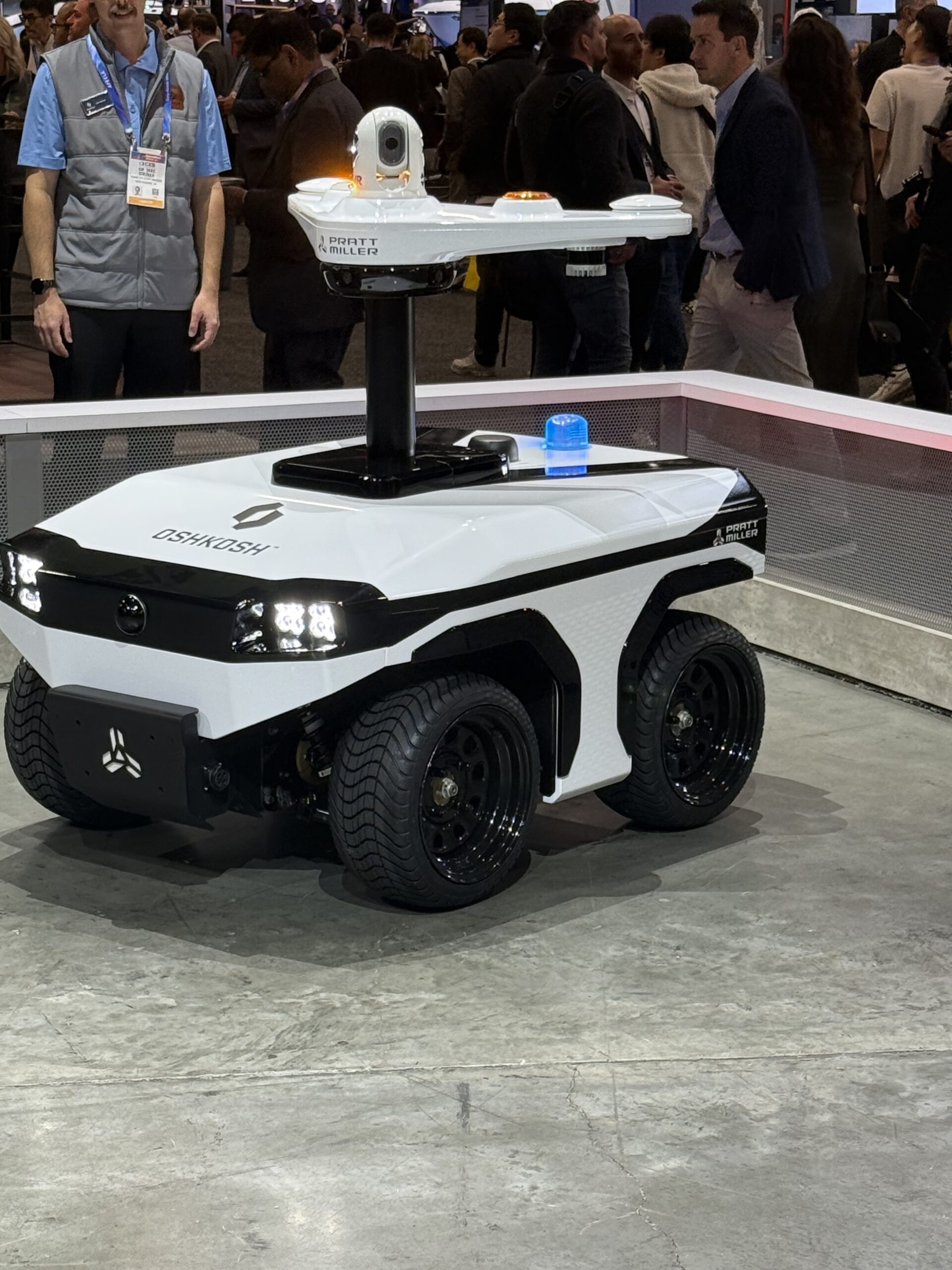
Companies such as Oshkosh AeroTech demonstrated intelligent autonomous robotics designed to support airport ground operations and routine inspection work, connecting machines, data platforms, and operators in real time.
These examples illustrate that physical AI is moving into every sector where repetitive work, precision tasks, and environment interaction are required. But none of these deployments reach their full potential without reliable connectivity.
Why Connectivity Matters
The central thread linking all these systems is connectivity. Reliable network connections allow robots and autonomous machines to:
-
Exchange sensor data with core AI and analytics platforms
-
Receive remote corrections, updates, and safety patches
-
Coordinate with fleet management systems
-
Share learned experiences across devices to improve performance
Without strong connectivity, systems fall back to degraded modes, stall, or require human intervention.Connectivity not only enables physical AI systems to run but also enables them to improve and scale.
TEAL’s Network Orchestration Service (NOS): Purpose-Built for Physical AI
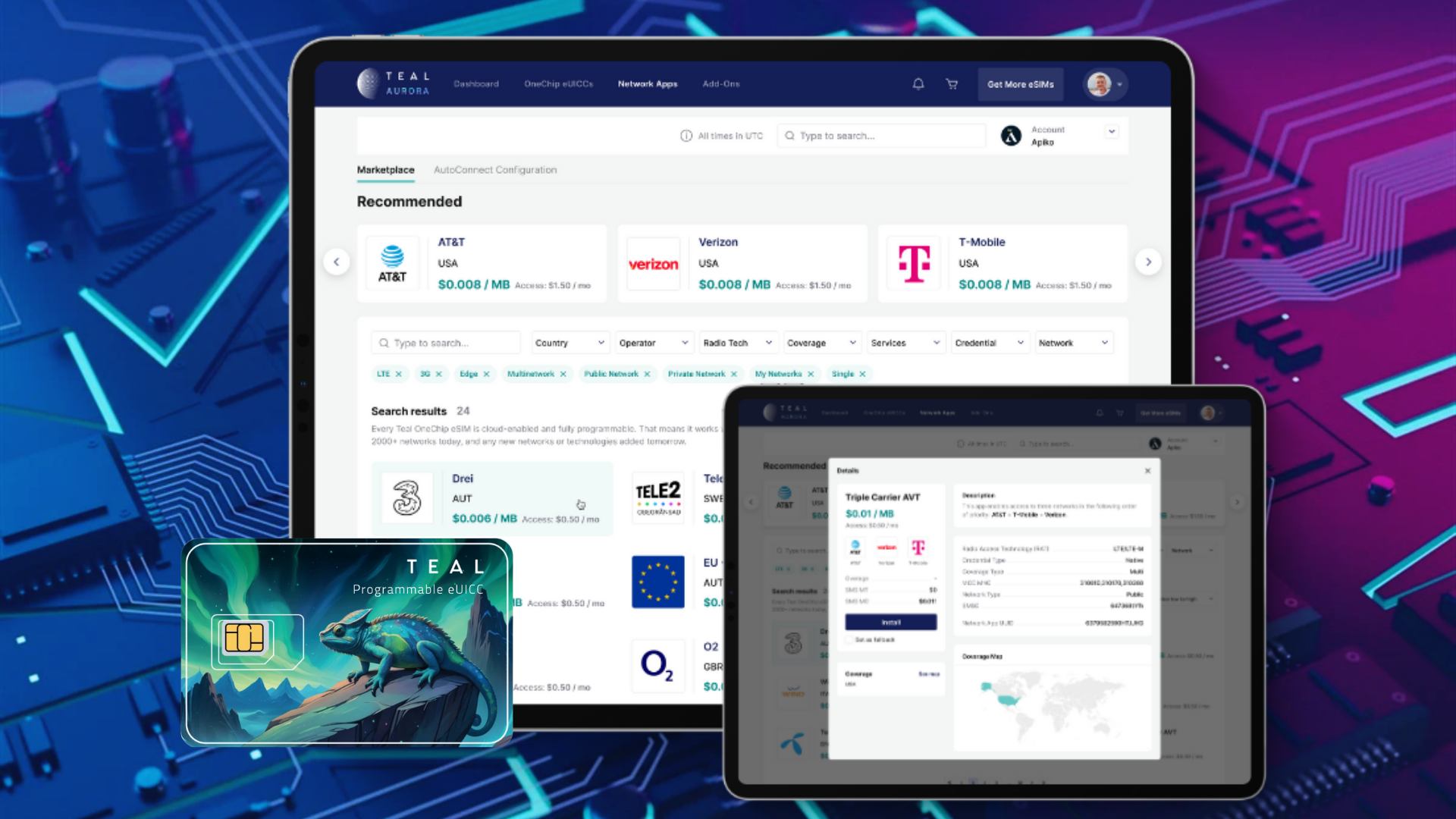
At TEAL, we’ve built our Network Orchestration Service (NOS) specifically to address the connectivity challenges facing Physical AI deployments. Our platform provides the foundation that robotics companies need to scale their operations reliably and efficiently.
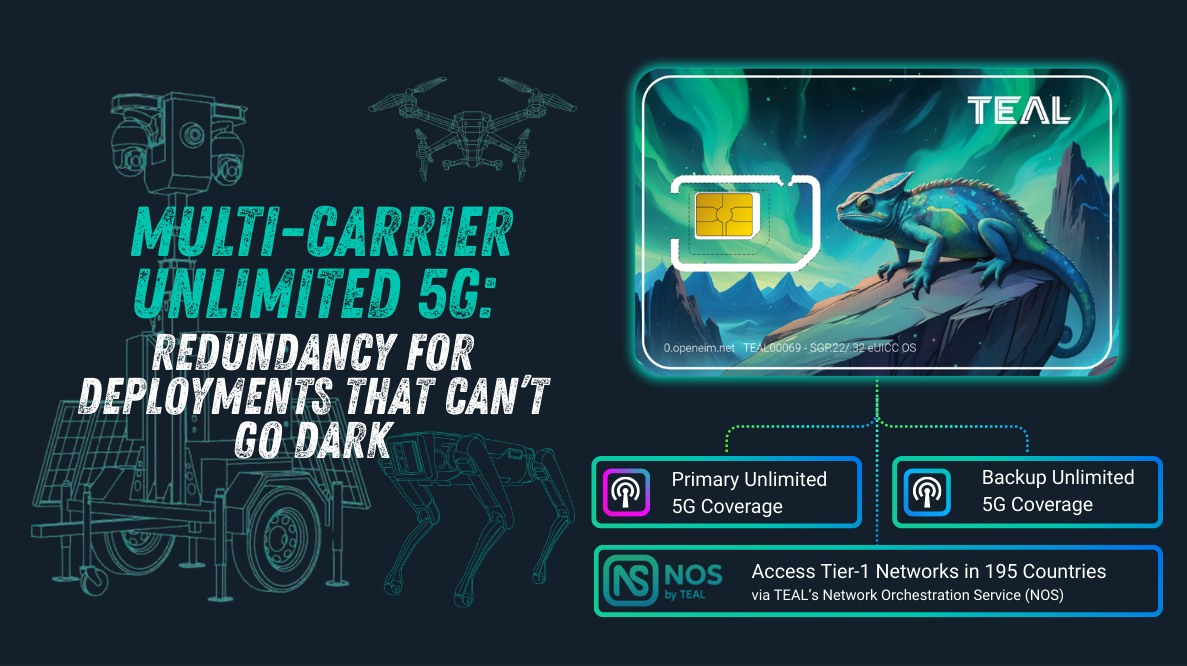
Intelligent Multi-Carrier Management: TEAL allows you to select the optimal cellular network based on signal strength, latency, and cost considerations. When your Physical AI systems move between coverage areas, our platform allows your devices to dynamically switch between carriers to maintain uninterrupted connectivity.
Global eSIM Technology: Our wholly owned and patented eSIM solution eliminates the logistical nightmare of managing physical SIM cards across international deployments. Switch between global networks over-the-air without touching hardware. TEAL supports SGP.02 and SGP.32.
Real-Time Fleet Monitoring: Track connectivity status, data usage, and performance metrics across your entire Physical AI fleet through our comprehensive dashboard. Identify potential issues before they impact operations and optimize connectivity costs based on actual usage patterns.
Enterprise Security: We implement encryption and security protocols to protect the sensitive data flowing between your Physical AI systems and cloud infrastructure. Maintain compliance with industry regulations while ensuring robust protection against cyber threats.
Scalable Architecture: Whether you’re deploying ten robots or thousands, our platform scales automatically without requiring additional infrastructure investment or management overhead. Focus on growing your business without worrying about connectivity.
This is where TEAL’s work is already helping real-world autonomous deployments.
TEAL in the Field: Enabling Physical AI at Scale
TEAL works with companies deploying autonomous machines similar to those on display at CES:
Starship Robotics operates fleets of delivery robots in urban and campus environments. These robots depend on resilient connectivity to update routes, share sensor data, and coordinate tasks across city grids.
Other leading companies leverage TEAL’s connectivity expertise to reduce failures that occur when robots leave controlled spaces and enter environments with variable signal coverage.
In every case, boards full of sensors and powerful processors are important. But connectivity is what glues those capabilities into a coherent, safe, and scalable physical AI system.
That’s a Wrap!

CES 2026 showed that physical AI is real, immediate, and reaching deployment scale across sectors from industrial robotics to autonomous delivery, self-driving trucks, agricultural autonomy, and construction automation.
These systems do not operate in isolation. They belong to larger distributed systems that require continuous, reliable connectivity to function safely, scale effectively, and deliver real economic value.
Without engineered network orchestration that supports consistent and redundant connectivity for global mobility with resilient network coverage, low latency, and coordinated data flow, physical AI systems will fail outside the lab and remain underrealized. Connectivity is not an optional add-on. It is the foundation for the next generation of intelligent machines.
Book a free consultation with our connectivity experts today. We’ll evaluate your current connectivity challenges, assess your scaling requirements, and design a comprehensive solution that grows with your business.
The Physical AI market opportunity is enormous, but it belongs to companies that solve the fundamental challenges first. Connectivity is challenge number one.